

Introduction
Epilepsy is one of the most distressing conditions a pet owner can witness in their furry companion. Watching a dog or cat experience a seizure can leave you feeling helpless and worried, especially when conventional treatments don’t seem to bring lasting relief or come with unwanted side effects. In recent years, however, many pet owners and veterinarians have turned their attention to CBD (cannabidiol) — a natural compound derived from hemp — as a promising aid for managing seizures and epilepsy in pets.
Let’s explore how CBD works, what science says about it, and why it’s becoming a trusted natural option for improving your pet’s neurological health.
Understanding Pet Epilepsy and Seizures
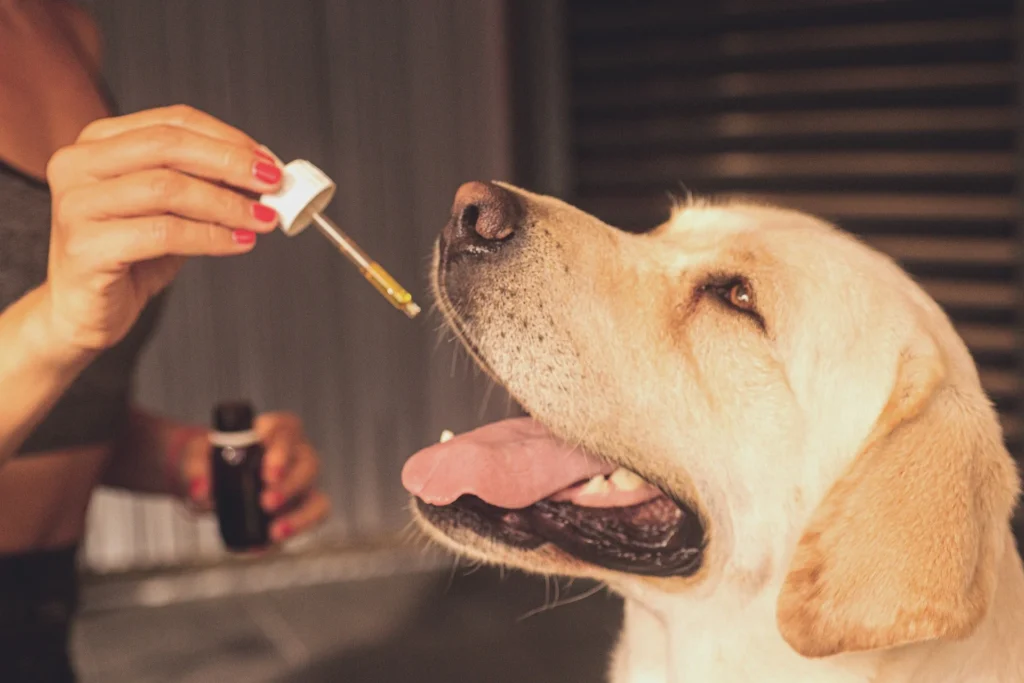
Epilepsy refers to a neurological disorder characterized by recurrent, unprovoked seizures. These seizures are caused by sudden bursts of abnormal electrical activity in the brain. While some pets develop epilepsy due to genetic factors, others may experience seizures as a result of injury, infections, or metabolic imbalances.
Symptoms of seizures in pets vary — they might include collapsing, uncontrolled shaking, stiffness, drooling, or even temporary loss of consciousness. For many pets, seizures can occur unpredictably, leading to stress and potential injury. Traditional medications like phenobarbital or potassium bromide are commonly prescribed, but they often come with side effects such as lethargy, liver damage, or appetite loss.
This is where CBD offers a gentler, more natural approach that works in harmony with the body’s internal systems.
What Is CBD and How Does It Work in Pets?
CBD, short for cannabidiol, is a non-psychoactive compound found in hemp plants. Unlike THC (tetrahydrocannabinol), CBD does not cause a “high.” Instead, it interacts with the endocannabinoid system (ECS) — a vital network of receptors and neurotransmitters found in all mammals, including dogs and cats.
The ECS helps regulate several bodily functions such as:
- Nervous system balance
- Mood and stress response
- Pain perception
- Inflammation control
- Immune function
When your pet consumes CBD, it helps the ECS maintain internal balance, known as homeostasis. This is crucial for pets with epilepsy since neurological disorders often disrupt that balance.
How CBD May Help Reduce Seizures in Pets
One of the most fascinating areas of CBD research focuses on its neuroprotective and anticonvulsant properties. While studies are still ongoing, the findings so far are promising.
Here’s how CBD may help pets experiencing seizures:
1. Stabilizes Electrical Activity in the Brain
Seizures are caused by abnormal bursts of electrical activity in the brain. CBD interacts with receptors that help modulate this activity, potentially reducing the frequency and severity of seizures.
2. Reduces Inflammation and Oxidative Stress
Chronic inflammation in the brain can trigger or worsen seizure activity. CBD possesses strong anti-inflammatory and antioxidant properties that help protect brain cells from damage.
3. Supports Neuroprotection
CBD helps protect neurons by reducing excitotoxicity — a process where nerve cells become overactive and eventually die. This protective effect may help limit long-term neurological damage in pets with chronic epilepsy.
4. Enhances the Effect of Existing Medications
CBD can work alongside traditional anti-seizure medications. Some studies suggest that it enhances their effectiveness, allowing for lower doses and fewer side effects. However, this should always be done under veterinary supervision.
Scientific Evidence Supporting CBD for Pet Seizures
While anecdotal reports from pet owners have been overwhelmingly positive, science has started to validate these experiences.
A landmark 2019 study conducted by Colorado State University found that 89% of dogs who received CBD experienced a reduction in seizure frequency. Researchers observed that CBD was well-tolerated and caused minimal side effects compared to traditional drugs.
Other studies have shown similar outcomes, reinforcing the idea that CBD can safely complement veterinary care for epilepsy. The ongoing research continues to reveal new insights into the mechanisms behind CBD’s anticonvulsant effects — particularly its influence on CB1 and CB2 receptors and GABA neurotransmission, both of which play key roles in seizure control.
Choosing the Right CBD Product for Your Pet
Not all CBD products are created equal, especially when it comes to pets. Quality, purity, and formulation matter greatly. When selecting a CBD oil or treat for your furry friend, consider the following:
- Opt for Full-Spectrum or Broad-Spectrum CBD:
These formulas contain multiple cannabinoids and terpenes that work synergistically to enhance effectiveness — a phenomenon known as the entourage effect. - Look for Third-Party Testing:
Always choose products with lab reports verifying CBD content and confirming that they’re free from pesticides, heavy metals, and THC. - Use Pet-Specific Formulations:
Pets have different sensitivities than humans. Choose oils or treats made specifically for animals to ensure safe dosages and proper flavoring. - Start Low and Go Slow:
Begin with a small dose based on your pet’s weight and gradually increase until you observe consistent results. Every pet’s response to CBD can vary. - Consult Your Veterinarian:
Before adding CBD to your pet’s routine, talk to your vet — especially if your pet is already taking medication. Your vet can help tailor the dosage and monitor progress safely.
Potential Side Effects and Safety Considerations
CBD is generally well-tolerated by pets, even at higher doses. However, minor side effects can occasionally occur, such as:
- Temporary drowsiness
- Mild changes in appetite
- Dry mouth
These effects are typically mild and short-lived. To ensure your pet’s safety, always introduce CBD gradually and observe any behavioral or physical changes.
Real-Life Success Stories
Many pet parents have shared remarkable stories of how CBD transformed their pets’ lives. Dogs once struggling with daily seizures have gone weeks or even months without an episode. Cats prone to trembling or fainting spells have shown calmer behavior and improved coordination.
While each pet’s journey is unique, these stories highlight CBD’s potential as a natural ally in epilepsy management — one that helps restore not just neurological balance, but also quality of life for both pets and their owners.
The Bigger Picture: CBD as Part of a Holistic Approach
CBD isn’t a cure for epilepsy, but it can be an incredibly powerful part of a comprehensive wellness plan. Combining CBD with good nutrition, proper hydration, consistent veterinary care, and stress management can lead to profound improvements.
As the science continues to evolve, more veterinarians are recognizing the value of CBD as a natural, non-toxic option for pets facing chronic neurological conditions.
Final Thoughts
If your pet suffers from epilepsy or seizures, exploring CBD could open new doors to comfort and stability. Its natural calming, neuroprotective, and anti-inflammatory effects work in harmony with your pet’s body to promote balance where it’s needed most.
While more research is underway, the current evidence — and the growing number of success stories — strongly suggest that CBD offers real, measurable relief for pets struggling with epilepsy. When used responsibly and under veterinary guidance, CBD can help your furry companion live a calmer, healthier, and more joyful life — naturally.