

Introduction
CBD has become an increasingly popular wellness supplement for dogs, especially among pet parents looking for natural support for anxiety, joint discomfort, inflammation, or age-related issues. One of the most common questions dog owners ask before starting CBD is simple but important: how long does CBD take to work in dogs?
The answer depends on several factors, including how CBD is given, your dog’s size and metabolism, the condition being addressed, and the quality of the product. Understanding these variables helps set realistic expectations and ensures CBD is used safely and effectively for your dog.
How CBD Works in a Dog’s Body
Dogs, like humans, have an endocannabinoid system (ECS)—a network of receptors that helps regulate balance in the body. This system plays a role in mood, pain perception, immune response, appetite, sleep, and stress levels.
When CBD is introduced into a dog’s system, it interacts indirectly with ECS receptors, supporting the body’s natural ability to maintain equilibrium. Rather than forcing an immediate reaction, CBD works gradually, helping the body respond more efficiently to stressors or discomfort. This is why CBD effects in dogs are often subtle and build over time rather than appearing all at once.
Average Time It Takes for CBD to Start Working in Dogs
For many dogs, CBD starts to take effect within 30 minutes to 2 hours after it’s given, making this the most commonly observed response window. During this time, CBD begins interacting with the dog’s endocannabinoid system, helping regulate stress responses, comfort levels, and overall balance. That said, this timeframe should be viewed as a general guideline rather than a fixed rule. Every dog is unique, and factors such as size, age, metabolism, dosage, and product quality can significantly influence how quickly results appear.
Some dogs—particularly smaller breeds or those with faster metabolisms—may show changes relatively quickly. You might notice subtle signs such as calmer behavior, less pacing, or reduced sensitivity to everyday triggers. Other dogs, especially larger breeds or senior dogs, may take longer to respond. In these cases, CBD may need to be given consistently over several days before its effects become noticeable, as the body gradually adapts and responds to the compound.
Short-term effects tend to appear first and are most noticeable in situational or anxiety-related cases. For example, dogs dealing with separation anxiety, noise sensitivity, or travel stress may appear more relaxed within the first hour or two. These early changes often include reduced restlessness, improved ability to settle, or a calmer overall demeanor, rather than sedation or lethargy.
Long-term benefits typically require more patience. Conditions such as joint stiffness, inflammation, mobility issues, or sleep disturbances involve deeper physiological processes that don’t resolve instantly. In these cases, CBD works cumulatively, supporting the body’s natural regulatory systems over time. Many pet owners report meaningful improvements after one to three weeks of daily use, such as smoother movement, better sleep patterns, or increased comfort during activity.
This gradual progression is a positive sign that CBD is helping restore balance rather than masking symptoms. By maintaining a consistent routine and observing your dog’s behavior over time, it becomes easier to recognize these improvements and adjust dosing for optimal results.
How Different CBD Forms Affect Onset Time in Dogs
The form of CBD you choose plays a major role in how quickly it works.
1. CBD Oil for Dogs
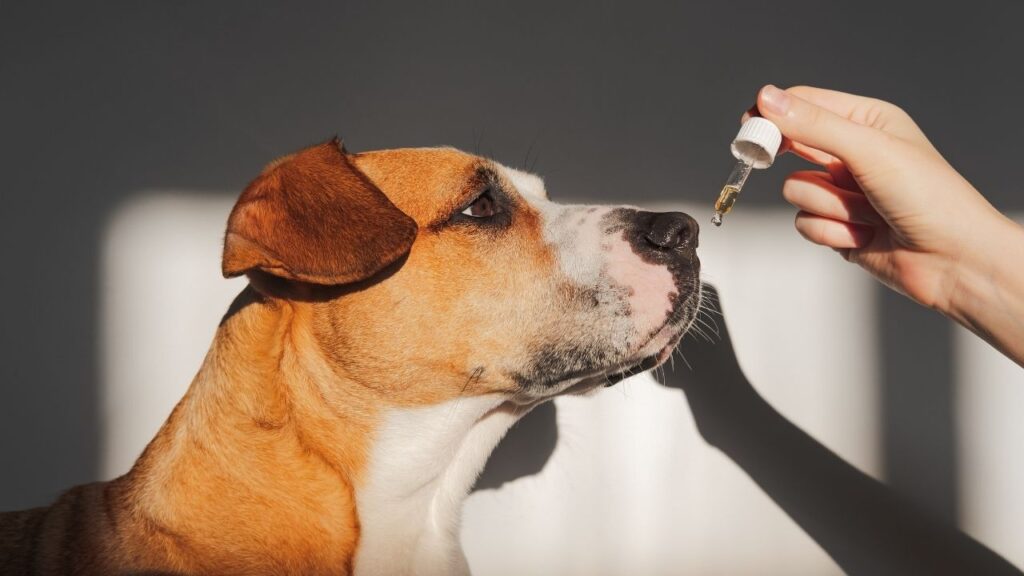
CBD oil is one of the fastest and most effective options for dogs. When placed directly into the mouth or mixed with a small amount of food, it absorbs relatively quickly through the gums and digestive system.
Most dogs begin to show effects within 30 to 60 minutes. This method also allows for flexible dosing, making it easier to adjust based on your dog’s size and response.
2. CBD Treats and Edibles
CBD-infused treats are convenient and appealing for dogs but take longer to work. Since the CBD must be digested first, onset time typically ranges from 60 to 120 minutes.
While slower, treats often provide longer-lasting effects, making them suitable for daily supplementation or long-term conditions like joint discomfort.
3. CBD Capsules or Chews
Capsules and chews function similarly to treats. They offer consistent dosing but require digestion, leading to a delayed onset. Effects usually appear within 1 to 2 hours, depending on the dog’s metabolism and whether the product is given with food.
Factors That Influence How Fast CBD Works in Dogs
Several dog-specific factors affect how quickly CBD takes effect.
1. Dog’s Size and Weight
Smaller dogs often feel effects faster because CBD is distributed throughout a smaller body mass. Larger breeds may require higher doses and slightly more time to show noticeable changes.
2. Metabolism and Age
Dogs with faster metabolisms may process CBD more quickly, leading to quicker onset but shorter duration. Senior dogs often metabolize supplements more slowly, which can delay onset but extend the effects.
3. Dosage and Consistency
A dose that’s too low may take longer to show results or may not appear effective at all. Consistent daily dosing allows CBD to support the endocannabinoid system more efficiently, often leading to better results over time.
4. Type of CBD Product
Full-spectrum and broad-spectrum CBD products contain additional cannabinoids and terpenes that may enhance effectiveness through the entourage effect. These products often work more efficiently than isolates for many dogs.
5. Whether CBD Is Given With Food
CBD given with food—especially meals containing fats—may absorb better, though onset may be slightly slower. Better absorption often means more noticeable and longer-lasting effects.
How Long CBD Effects Last in Dogs
CBD effects in dogs typically last 4 to 8 hours, depending on the method used and the dog’s individual response. Oils may wear off slightly sooner than treats, while edibles tend to provide steadier, extended support.
With regular use, some benefits—such as improved mobility or calmer behavior—may persist even between doses, especially once the endocannabinoid system becomes more balanced.
Can CBD Take Days or Weeks to Work in Dogs?
Yes, this delayed response is especially common when CBD is used for chronic or long-standing conditions in dogs. Unlike short-term stress or situational anxiety—where calming effects may be noticeable within a few hours—issues such as arthritis, ongoing inflammation, mobility limitations, or age-related discomfort involve deeper physiological imbalances that take time to improve. These conditions don’t develop overnight, and they rarely respond to a single dose of any supplement, including CBD.
When CBD is given consistently, it works by supporting the endocannabinoid system over time, helping the body regulate inflammation, pain signaling, and immune responses more effectively. For many dogs, this means noticeable changes begin to appear after one to three weeks of daily use. During this period, CBD gradually builds its supportive effect, allowing the body to respond in a more balanced and sustainable way.
Pet parents often observe these improvements as subtle but meaningful changes rather than sudden breakthroughs. A dog with arthritis may start moving more freely in the morning, show less hesitation when standing up, or appear more comfortable during walks. Senior dogs may sleep more soundly, show improved energy during the day, or display a better overall mood. These shifts can be easy to overlook at first, which is why consistent observation is important.
This slow, steady response is actually a positive indicator of how CBD works. Rather than masking symptoms or forcing an artificial sense of relief, CBD supports the body’s natural ability to restore equilibrium. Over time, this approach can lead to more reliable, long-lasting benefits. Patience and consistency are key—when CBD is used as part of a regular wellness routine, its long-term support often becomes clearer with each passing week.
Signs That CBD Is Working in Dogs
CBD’s effects in dogs tend to be gentle and gradual rather than immediate or dramatic, which is why they’re sometimes easy to miss at first. Instead of causing obvious behavioral shifts or sedation, CBD works in the background, helping the body regulate stress, discomfort, and inflammation more efficiently. Because of this, the signs that CBD is working often appear as small, positive changes in everyday behavior.
One of the earliest and most common signs is calmer behavior. Dogs may seem less on edge, bark less at familiar triggers, or recover more quickly from stressful situations such as loud noises or being left alone. This doesn’t mean the dog becomes lethargic or withdrawn—rather, they appear more emotionally balanced and easier to settle.
Physical improvements also tend to emerge slowly. Dogs dealing with joint stiffness or soreness may begin to move more comfortably, showing less hesitation when standing, climbing stairs, or going for walks. You might notice smoother movement, improved posture, or a greater willingness to engage in play. These changes often become more apparent over time, especially with consistent daily use.
Sleep quality is another area where subtle improvements show up. Dogs may rest more deeply, wake up less during the night, or appear more refreshed and energetic during the day. After physical activity, some dogs also show quicker recovery, with reduced stiffness or fatigue compared to before starting CBD.
Rather than a sudden transformation, many pet parents realize that their dog is simply having fewer bad days—less discomfort, less irritability, and more consistent comfort throughout the day. Overall demeanor may improve, with dogs appearing happier, more relaxed, and more at ease in their routines. These steady, incremental changes are often the strongest indicators that CBD is supporting the dog’s long-term well-being in a natural and balanced way.
How to Help CBD Work Faster and More Effectively for Dogs
To maximize results, choose high-quality, pet-specific CBD products that are third-party lab tested and THC-free. Start with a low dose, increase gradually if needed, and use CBD consistently at the same time each day.
Monitoring your dog’s behavior, movement, and comfort over time helps fine-tune dosage and ensures CBD is supporting your dog’s specific needs safely.
Also Read: How to Choose the Right CBD Strength for Your Wellness Goals
Final Thoughts
CBD is not a quick fix or sedative—it’s a wellness tool designed to support balance over time. Some dogs respond quickly, while others need patience and consistency before benefits become noticeable.
Understanding how long CBD takes to work in dogs allows pet parents to use it more responsibly and confidently. When paired with quality products and mindful dosing, CBD can become a valuable part of a dog’s long-term wellness routine.