
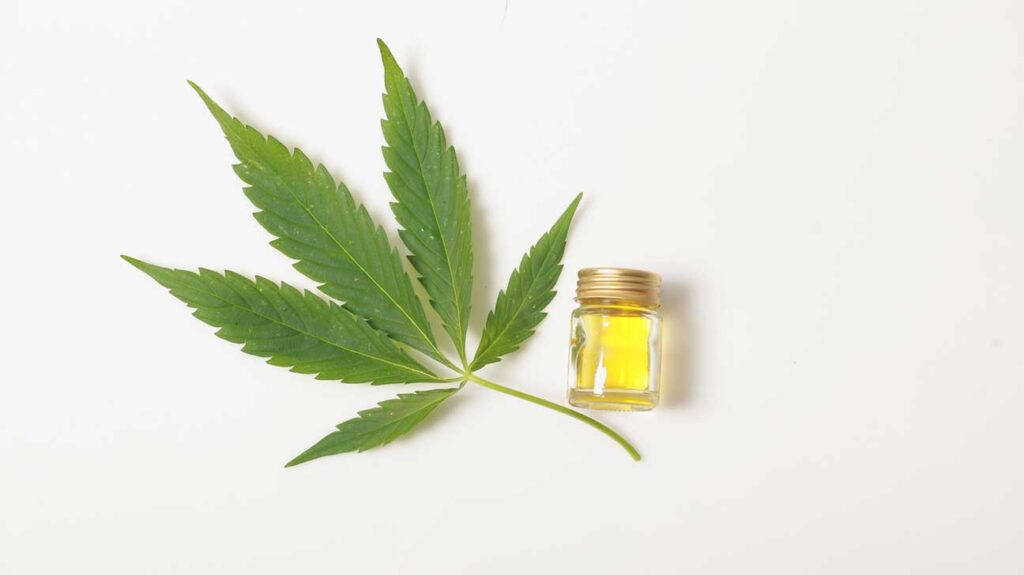
As pet owners become more focused on natural wellness, CBD oil for dogs has gained significant attention. From easing anxiety to supporting joint health, many dog owners are exploring CBD as a gentle alternative to traditional treatments. But before adding it to your pet’s routine, it’s important to understand how it works, its potential benefits, and how to use it safely.
This guide covers everything you need to know about CBD oil for dogs, including dosage tips and safety considerations.
What Is CBD Oil for Dogs?
CBD (cannabidiol) is a natural compound derived from the hemp plant. Unlike THC, it does not produce a “high,” making it safe for pets when used correctly. CBD interacts with your dog’s endocannabinoid system (ECS), which helps regulate functions like mood, pain, appetite, and immune response.
CBD oil designed specifically for dogs is typically formulated with pet-safe ingredients and appropriate concentrations.
Potential Benefits of CBD Oil for Dogs
Many pet owners turn to CBD oil to support their dog’s overall well-being. While research is still developing, anecdotal evidence and early studies suggest several potential benefits.
Helps Reduce Anxiety and Stress
Dogs can experience anxiety due to separation, loud noises, or changes in environment. CBD may promote a sense of calm, helping dogs feel more relaxed during stressful situations like thunderstorms or travel.
Supports Joint and Mobility Health
Older dogs or those with joint issues may benefit from CBD’s potential anti-inflammatory properties. It may help reduce stiffness and improve mobility.
May Help with Pain Management
CBD is often used to support comfort in dogs dealing with chronic pain or post-exercise soreness.
Encourages Better Sleep
Dogs struggling with restlessness or discomfort may experience improved sleep quality with CBD.
Supports Overall Wellness
By interacting with the ECS, CBD may help maintain balance in the body, supporting general health and vitality.
How CBD Oil Works in Dogs
Just like humans, dogs have an endocannabinoid system that plays a role in maintaining internal balance. CBD interacts with receptors in this system, potentially influencing processes like inflammation, mood, and pain perception.
Unlike medications that target a single issue, CBD works more holistically, supporting multiple systems at once.
CBD Oil Dosage for Dogs
Finding the right dosage is crucial for safety and effectiveness. There is no universal dosage, but general guidelines can help.
General Dosage Rule
A common starting point is 1–2 mg of CBD per 10 pounds (4.5 kg) of body weight.
Example Dosage
- Small dogs (under 20 lbs): 2–5 mg
- Medium dogs (20–50 lbs): 5–15 mg
- Large dogs (50+ lbs): 15–30 mg
Start Low and Adjust Gradually
Begin with the lowest recommended dose and monitor your dog’s response. Gradually increase if needed.
Consistency Matters
CBD often works best when given consistently over time rather than as a one-time solution.
How to Give CBD Oil to Your Dog
There are several ways to administer CBD oil, depending on your dog’s preferences.
Directly in the Mouth
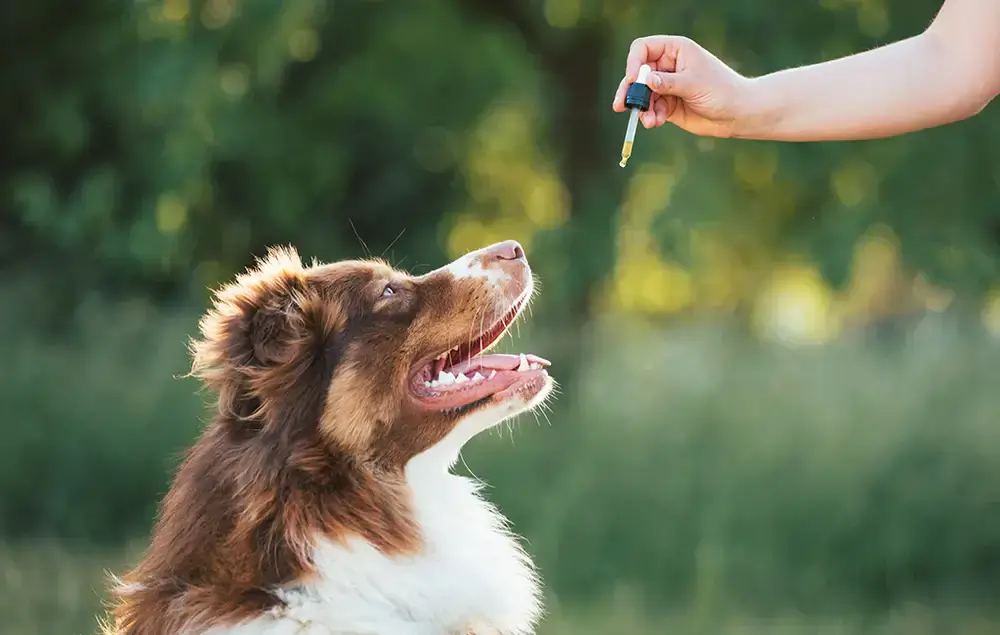
Using a dropper, place the oil under your dog’s tongue or along the gums for faster absorption.
Mixed with Food
You can add CBD oil to your dog’s meals, making it easier for picky eaters.
CBD Treats
Pre-measured CBD treats offer a convenient and tasty option for dogs.
Safety Tips for Using CBD Oil for Dogs
While CBD is generally considered safe, proper usage is essential to avoid potential issues.
Choose Pet-Specific Products
Always use CBD products formulated for pets. Human CBD products may contain ingredients that are not safe for dogs.
Check for Third-Party Testing
Look for products with lab reports (Certificates of Analysis) to ensure purity and accurate CBD content.
Avoid THC
Even small amounts of THC can be harmful to dogs. Choose products labeled THC-free or with negligible levels.
Monitor for Side Effects
Some dogs may experience mild side effects such as:
- Drowsiness
- Dry mouth
- Slight changes in appetite
If you notice any unusual behavior, reduce the dosage or stop use and consult a veterinarian.
Consult Your Veterinarian
Before introducing CBD, especially if your dog is on medication or has a medical condition, it’s best to seek professional advice.
CBD Oil vs Traditional Treatments for Dogs
CBD oil is often compared to conventional treatments for issues like pain or anxiety.
Natural Alternative
CBD offers a plant-based option that may have fewer side effects compared to some medications.
Slower Onset
Unlike some prescription drugs, CBD may take time to show noticeable effects.
Complementary Use
In some cases, CBD can be used alongside traditional treatments under veterinary guidance.
How to Choose the Best CBD Oil for Dogs
Not all CBD products are created equal. Here’s what to look for when selecting a product.
Organic Hemp Source
Choose CBD derived from organically grown hemp to minimize exposure to harmful chemicals.
Clear Labeling
Ensure the product clearly states CBD content, dosage instructions, and ingredients.
Full-Spectrum or Broad-Spectrum
These options may provide enhanced benefits due to multiple cannabinoids, but always ensure THC levels are safe for pets.
Positive Reviews and Transparency
Reputable brands provide detailed information and customer feedback.
Read Also : How to Choose the Right CBD Strength for Your Wellness Goals
Final Thoughts
CBD oil for dogs is becoming a popular option for pet owners seeking natural ways to support their dog’s health and well-being. From reducing anxiety to improving mobility, it offers a range of potential benefits when used responsibly.
However, every dog is different. The key to success lies in choosing high-quality products, starting with the right dosage, and monitoring your pet’s response. With proper care and guidance, CBD oil can be a valuable addition to your dog’s wellness routine.
If you’re considering CBD for your dog, take the time to research, consult your veterinarian, and prioritize safety at every step.