
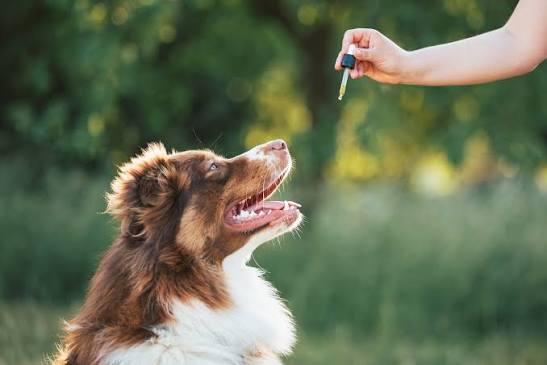
CBD products for pets have become increasingly popular among pet owners who are interested in adding hemp-derived products to their pets’ wellness routines. However, choosing a CBD product can be confusing, especially when labels use terms such as full-spectrum, broad-spectrum, and CBD isolate.
If you are comparing full-spectrum vs broad-spectrum CBD for pets, the biggest difference generally comes down to the types of naturally occurring compounds retained in the product, particularly THC.
Both full-spectrum and broad-spectrum CBD products can contain CBD and other hemp compounds, but their formulations are different. Understanding these differences can help pet owners make more informed decisions when evaluating CBD products for dogs or cats.
It is also important to remember that research into CBD use in pets is still developing. CBD products should not be considered a replacement for veterinary care, and pet owners should consult a veterinarian before introducing CBD, particularly if their pet takes medication or has an existing health condition.
What Is CBD for Pets?
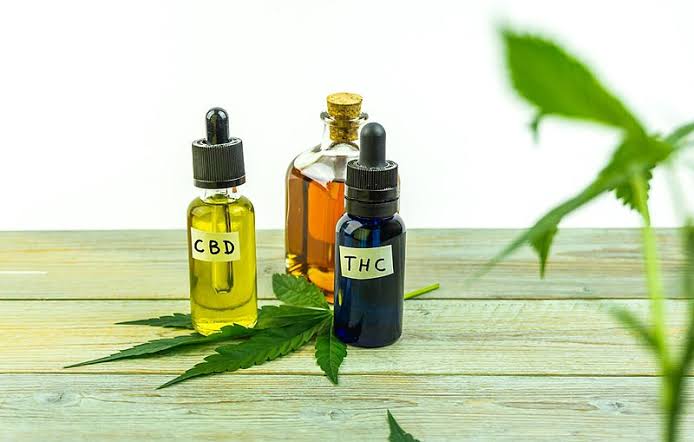
CBD, or cannabidiol, is a naturally occurring compound found in the cannabis plant. Hemp-derived CBD products are commonly marketed for both humans and pets.
Unlike THC, CBD is not considered intoxicating in the same way. However, CBD products can contain varying amounts of other cannabinoids, depending on how they are extracted and processed.
Pet CBD products may come in several forms, including:
- CBD oil or tinctures
- CBD-infused treats
- Chews
- Capsules
- Topical products
Among these options, CBD oil is popular because the amount can be measured according to the product’s instructions and incorporated into a pet’s routine.
However, not every CBD oil is formulated the same way. This is where full-spectrum and broad-spectrum CBD become important distinctions.
What Does Full-Spectrum CBD Mean?
Full-spectrum CBD generally refers to a hemp extract that contains CBD along with other naturally occurring compounds from the hemp plant.
Depending on the product, these compounds may include:
- CBD
- Other cannabinoids
- Terpenes
- Flavonoids
- Other naturally occurring plant compounds
Importantly, full-spectrum products may contain THC, usually at a low level when produced as hemp-derived products, although the exact amount depends on the product and applicable regulations.
For pet owners, this makes checking the product’s laboratory testing and cannabinoid profile particularly important.
Why Are Other Compounds Present?
The hemp plant contains numerous naturally occurring compounds. When manufacturers use extraction methods designed to preserve a wider range of these compounds, the resulting product may retain more than just CBD.
This is sometimes described as the “whole-plant” approach.
Some manufacturers and consumers are interested in the potential interaction between different cannabis compounds, sometimes referred to as the entourage effect. However, claims about the entourage effect and specific benefits for pets should be treated carefully because veterinary research is still developing.
What Does Broad-Spectrum CBD Mean?
Broad-spectrum CBD also contains CBD and may retain several other naturally occurring hemp compounds.
The major difference is that broad-spectrum products are generally processed to remove THC or reduce it to non-detectable or trace levels, depending on the product and applicable standards.
A broad-spectrum CBD product may therefore contain:
- CBD
- Other cannabinoids
- Terpenes
- Flavonoids
- Other hemp compounds
But it is generally formulated without meaningful levels of THC.
This distinction can make broad-spectrum products attractive to pet owners who want a multi-compound hemp extract while preferring to avoid THC.
However, “THC-free” should not simply be assumed from the words “broad-spectrum.” Always check the product’s independent laboratory report or certificate of analysis where available.
Full-Spectrum vs Broad-Spectrum CBD for Pets
The simplest way to understand the difference is to look at the cannabinoid profile.
Full-spectrum CBD: CBD + multiple hemp compounds + potentially trace THC.
Broad-spectrum CBD: CBD + multiple hemp compounds, with THC removed or reduced to very low/non-detectable levels depending on the formulation.
Neither category automatically means that one product is better than the other.
The more appropriate choice depends on factors such as the product’s quality, transparency, cannabinoid profile, testing, ingredients, and your veterinarian’s guidance.
Key Differences Between Full-Spectrum and Broad-Spectrum CBD
1. THC Content
This is usually the most important distinction.
Full-spectrum CBD products may contain THC, whereas broad-spectrum products are generally formulated to remove THC.
This matters because pets can respond differently to cannabinoids than humans, and THC exposure can be harmful to dogs and cats.
Pet owners should therefore never assume that a product marketed as “hemp” is automatically appropriate for their pet.
2. Cannabinoid Profile
Full-spectrum products retain a broader range of compounds from the hemp plant.
Broad-spectrum products can also contain multiple cannabinoids and plant compounds, but THC is generally removed.
The exact cannabinoid profile can vary between manufacturers.
3. Product Processing
Full-spectrum products generally undergo processing designed to preserve a broader range of naturally occurring hemp compounds.
Broad-spectrum products require additional processing to remove THC while retaining other compounds.
4. Consumer Preference
Some pet owners may prefer broad-spectrum products because they want to avoid THC.
Others may be interested in full-spectrum extracts because they prefer products containing a wider range of hemp compounds.
However, personal preference should not replace consideration of veterinary advice and product safety.
Is Full-Spectrum CBD Safe for Dogs and Cats?
This is one of the most important questions pet owners should consider.
CBD itself is being studied in veterinary medicine, but research into the safety, effectiveness, appropriate formulations, and long-term use of CBD in animals is still developing.
THC deserves particular attention.
Dogs and cats can be sensitive to THC, and exposure to THC-containing cannabis products can result in signs of toxicity. Therefore, pet owners should never give their pets human cannabis products simply because they contain CBD.
If you are considering a full-spectrum CBD product for your pet, speak with a veterinarian first and carefully review the product’s cannabinoid profile.
A veterinarian can also help determine whether CBD is appropriate given your pet’s age, size, health history, and medications.
Is Broad-Spectrum CBD Better for Pets?
Not necessarily.
Broad-spectrum CBD may appeal to pet owners who want to avoid THC while still choosing a product that contains CBD and other hemp compounds.
But “broad-spectrum” does not automatically mean:
- Higher quality
- More effective
- Safer for every pet
- Suitable for every condition
Product quality matters just as much as the spectrum designation.
A poorly manufactured broad-spectrum product may be less desirable than a well-made product from a transparent manufacturer.
That’s why pet owners should look beyond the words “full-spectrum” or “broad-spectrum” when choosing a CBD product.
What Should You Look for in CBD Oil for Pets?
If you are researching CBD oil for your dog or cat, there are several product-quality factors worth considering.
1. Clear CBD Concentration
The product should clearly state how much CBD it contains.
Be careful with labels that only provide vague information such as “hemp extract” without clearly identifying the CBD content.
2. Certificate of Analysis
A Certificate of Analysis (COA) from an independent laboratory can provide useful information about a product’s cannabinoid profile.
Depending on the laboratory report, you may be able to see:
- CBD concentration
- THC concentration
- Other cannabinoids
- Potential contaminants
- Batch information
A transparent manufacturer should make relevant testing information accessible.
3. Simple Ingredients
Check the complete ingredient list.
Avoid products containing ingredients that may be inappropriate or potentially harmful to pets.
For example, products containing certain sweeteners or unnecessary additives may not be suitable for animals.
4. Pet-Specific Formulation
Human CBD products should not automatically be used for pets.
Pet-specific products may be formulated with animal-appropriate ingredients and usage instructions.
5. Manufacturing Transparency
Look for manufacturers that provide clear information about:
- Hemp sourcing
- Extraction methods
- Ingredients
- Testing
- Batch information
- Product concentration
Transparency can make it easier to evaluate product quality.
Full-Spectrum vs Broad-Spectrum CBD for Dogs
Dogs are one of the most common types of pets considered in discussions about CBD.
When comparing full-spectrum and broad-spectrum CBD for dogs, THC content should receive particular attention.
Some owners may prefer broad-spectrum products because they want to avoid THC while still choosing a CBD product containing additional hemp compounds.
If considering full-spectrum CBD, discuss the product with your veterinarian and review its laboratory testing carefully.
Never give your dog cannabis products intended for human recreational use.
Full-Spectrum vs Broad-Spectrum CBD for Cats
Cats require similar caution.
Cats have different metabolisms and physiological characteristics from dogs, so assumptions about how CBD products affect dogs should not automatically be applied to cats.
When choosing a CBD product for a cat, consider:
- CBD concentration
- THC content
- Other ingredients
- Product formulation
- Testing information
- Your cat’s age
- Existing health conditions
- Current medications
A veterinarian can help you determine whether introducing CBD into your cat’s routine is appropriate.
Does the Entourage Effect Matter for Pets?
You may have heard the term entourage effect when researching full-spectrum CBD.
The concept suggests that cannabinoids and other cannabis compounds may interact with one another and potentially produce different effects when used together than when isolated.
This is one reason some consumers prefer full-spectrum or broad-spectrum products over CBD isolate.
However, it is important not to turn this theory into a guaranteed health claim.
Evidence regarding the entourage effect in pets is still limited, and more veterinary research is needed to understand how different cannabinoid combinations affect animals.
Therefore, pet owners should focus on verified product information rather than assuming that more cannabinoids automatically mean better results.
Full-Spectrum vs Broad-Spectrum vs CBD Isolate
There is another category worth understanding: CBD isolate.
CBD isolate is a highly purified form of CBD that does not contain the other cannabinoids naturally present in hemp.
This creates three broad categories:
1. Full-Spectrum
Contains CBD and a range of naturally occurring hemp compounds and may contain THC.
2. Broad-Spectrum
Contains CBD and potentially other hemp compounds but is generally processed to remove THC.
3. CBD Isolate
Contains primarily purified CBD without the other cannabinoids found in the plant.
For pet owners, the decision should not be based solely on which category sounds most appealing.
Product quality, testing, ingredients, veterinary advice, and the individual pet’s circumstances are more important considerations.
Can You Give Human CBD Oil to Pets?
It is best not to assume that a CBD oil made for humans is suitable for animals.
Human CBD products may contain ingredients that are inappropriate for pets. They may also have concentrations or formulations that make them difficult to use appropriately for an animal.
Some human products may contain ingredients that are particularly dangerous to dogs, such as certain sweeteners.
If you are interested in CBD for your pet, choose a product specifically formulated for animals and discuss it with your veterinarian.
How to Introduce CBD Into a Pet’s Routine
If your veterinarian agrees that CBD is appropriate, introducing any new supplement gradually and carefully can make it easier to monitor your pet.
Start by reading the product label thoroughly.
Follow the manufacturer’s instructions rather than estimating amounts based solely on online recommendations.
Observe your pet after introducing the product and pay attention to any unusual changes.
Keep a simple record of:
- Product name
- CBD concentration
- Amount used according to veterinary guidance
- Time administered
- Your pet’s general response
- Any unusual signs
If you notice anything concerning, stop using the product and contact your veterinarian.
Potential CBD Side Effects in Pets
CBD is generally considered to have a relatively favourable safety profile in research settings, but pets can still experience adverse effects.
Possible effects may include:
- Drowsiness
- Changes in appetite
- Gastrointestinal upset
- Changes in thirst
- Other individual reactions
The risk may depend on factors such as the animal, product formulation, amount consumed, and presence of other substances.
Most importantly, THC exposure can be dangerous for pets.
If your pet accidentally consumes a cannabis product or a large quantity of CBD oil, contact a veterinarian or emergency veterinary service promptly rather than waiting for symptoms to develop.
Can CBD Interact With Pet Medications?
Yes, CBD may interact with certain medications.
CBD can influence enzymes involved in the metabolism of some drugs, which means combining CBD with medications may potentially change how those medications are processed.
This is why veterinary guidance is particularly important for pets that are already taking medication.
Before introducing CBD, tell your veterinarian about:
- Prescription medications
- Over-the-counter medications
- Supplements
- Existing health conditions
- Any other products your pet regularly receives
Your veterinarian can assess whether CBD is appropriate and whether additional monitoring is necessary.
Common Mistakes Pet Owners Should Avoid
1. Choosing Based Only on Price
A cheaper product is not necessarily a better option.
2. Assuming Hemp Means Safe
“Hemp” on a label does not automatically mean a product is suitable for pets.
3. Ignoring THC Content
Always check the cannabinoid profile and laboratory testing.
4. Using Human CBD Products
Human formulations may contain ingredients unsuitable for animals.
5. Assuming More CBD Is Better
Higher concentration does not automatically mean better results.
6. Skipping Veterinary Advice
This is particularly important for senior pets, pets with health conditions, and pets taking medication.
Also Read: CBD for Active Dogs: Supporting an Active Lifestyle
Final Thoughts
Understanding full-spectrum vs broad-spectrum CBD for pets is an important step for pet owners researching hemp-derived products.
The key distinction is relatively simple: full-spectrum CBD can contain THC and a wider range of naturally occurring hemp compounds, while broad-spectrum CBD is generally formulated to remove THC while retaining CBD and potentially other hemp compounds.
However, the spectrum alone does not determine whether a product is right for your pet.
Product transparency, laboratory testing, ingredients, CBD concentration, THC content, and your pet’s individual health circumstances all deserve careful consideration.
Most importantly, CBD should not replace appropriate veterinary diagnosis or treatment. If you’re considering adding CBD oil to your dog’s or cat’s wellness routine, talk with your veterinarian first and choose products specifically formulated for pets.
A thoughtful, informed approach can help you evaluate CBD products more responsibly and put your pet’s safety first.