
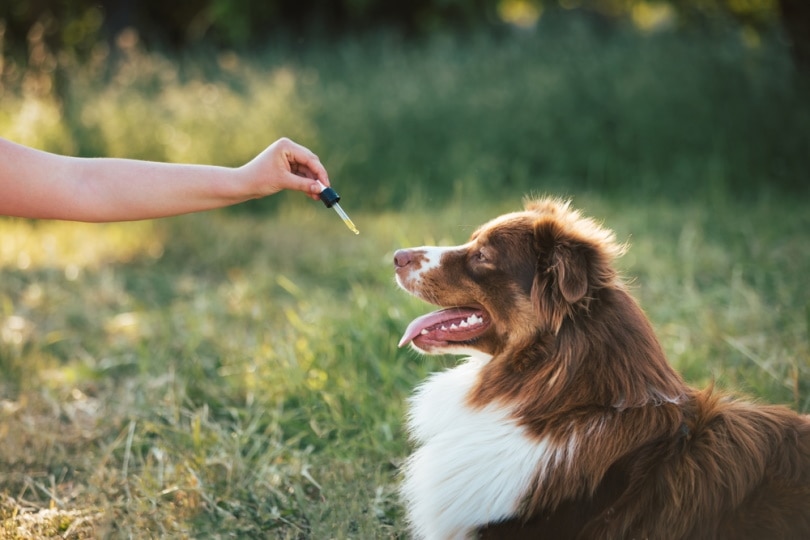
Digestive issues are common among pets, ranging from occasional upset stomachs to chronic conditions like irritable bowel syndrome (IBS). For pet parents, seeing their furry companions struggle with discomfort, loss of appetite, or irregular bowel movements can be stressful. Recently, CBD has gained attention as a natural supplement for supporting overall pet wellness, particularly digestive health. But what does the science actually say about CBD’s role in gut health for pets?
In this article, we’ll explore how CBD interacts with your pet’s body, what research says about its impact on digestion, and the potential benefits it may provide.
Understanding CBD and the Endocannabinoid System in Pets
CBD, or cannabidiol, is a natural compound derived from the hemp plant. Unlike THC, CBD is non-psychoactive, which means it doesn’t produce a “high.” Its effects come from how it interacts with the endocannabinoid system (ECS)—a complex network of receptors found in both humans and animals.
The ECS plays a vital role in regulating several functions, including appetite, inflammation, mood, and digestion. In pets, ECS receptors (CB1 and CB2) are located throughout the gastrointestinal tract. When CBD interacts with these receptors, it can influence gut function, reduce discomfort, and promote balance.
How Digestive Problems Affect Pets

Digestive health is crucial for pets because it affects nutrient absorption, immunity, and overall comfort. Some common digestive issues in pets include:
- Upset stomach or vomiting
- Loss of appetite
- Constipation or diarrhea
- Food allergies or sensitivities
- Inflammatory bowel disease (IBD)
Chronic digestive problems can weaken the immune system and lower a pet’s quality of life. This is why many pet owners are seeking natural options like CBD to complement traditional care.
The Anti-Inflammatory Properties of CBD
One of the most researched aspects of CBD is its anti-inflammatory effects. Inflammation in the gut can lead to conditions such as colitis, gastritis, or IBD in pets. By binding to ECS receptors, CBD can help regulate the immune system and reduce excessive inflammation.
Studies in animals have shown that CBD may decrease markers of inflammation in the digestive system, potentially providing relief for pets with chronic digestive conditions. Although more research is needed specifically in pets, early findings suggest promising results.
CBD and Nausea Relief
Nausea and vomiting are common symptoms of digestive upset in pets. CBD has been studied for its anti-nausea effects, particularly in chemotherapy patients, and researchers believe similar mechanisms apply to pets.
By acting on serotonin receptors in the brain and gut, CBD may help reduce feelings of nausea, encouraging pets to eat regularly and maintain proper nutrition. This can be especially helpful for pets recovering from illness or those with sensitive stomachs.
Supporting Appetite and Nutrient Absorption
Digestive issues often lead to reduced appetite, which can cause weight loss and nutritional deficiencies. CBD may help stimulate appetite by interacting with the ECS and promoting a sense of balance in the digestive system.
Better appetite leads to improved nutrient intake, which supports energy levels, immune function, and overall wellness in pets.
CBD and Stress-Related Digestive Issues
Stress and anxiety can also impact digestive health in pets. Dogs and cats may develop symptoms like diarrhea, vomiting, or loss of appetite when under stress. CBD’s calming properties make it useful in such cases.
By regulating neurotransmitters like serotonin, CBD helps reduce stress and anxiety, which indirectly improves digestive health. For pets prone to nervous stomachs during travel, fireworks, or separation, CBD may provide a dual benefit for both stress and gut comfort.
Scientific Studies on CBD and Digestive Health
While research on CBD in pets is still developing, several studies and anecdotal reports highlight its potential:
- Animal studies suggest CBD may reduce inflammation in the gut and support gastrointestinal balance.
- Veterinary case studies report that CBD has helped pets with IBD and chronic digestive issues experience fewer flare-ups.
- Human studies on CBD’s role in gut health provide insights into its anti-inflammatory and anti-nausea mechanisms, which may apply to pets as well.
Although more clinical trials are needed in dogs and cats, current evidence supports CBD as a promising natural aid for digestive health.
How to Safely Use CBD for Pet Digestive Health
If you’re considering CBD for your pet’s digestive issues, safety and proper dosage are key. Here are some guidelines:
Choosing the Right CBD Product
Not all CBD products are created equal. Look for:
- Pet-specific CBD oils or treats labeled as THC-free or with less than 0.3% THC
- Third-party lab testing to confirm purity and potency
- Full-spectrum or broad-spectrum CBD for additional plant compounds that support digestion
Dosage Considerations
Start with a low dose and gradually increase as needed. Dosage often depends on your pet’s size, weight, and condition. It’s best to consult with a veterinarian familiar with CBD use in pets.
Monitoring Your Pet
Observe your pet’s behavior, appetite, and digestive patterns after introducing CBD. Improvements may take a few days to weeks. If any negative reactions occur, stop use and consult your vet.
Potential Side Effects of CBD in Pets
CBD is generally well-tolerated, but some pets may experience mild side effects such as:
- Drowsiness
- Dry mouth
- Temporary changes in appetite
- Loose stools in sensitive pets
These side effects are usually mild and go away as the pet adjusts.
Read Also : Can CBD Oil Help Pets with Skin Conditions? Here’s What You Should Know
Final Thoughts: Can CBD Improve Pet Digestive Health?
The science behind CBD and pet digestive health is still growing, but current evidence suggests that CBD may help reduce inflammation, relieve nausea, improve appetite, and support overall gut balance in pets.
For pet parents seeking natural ways to support their furry friend’s digestive system, CBD offers a promising option when used responsibly. Always choose high-quality, pet-safe CBD products and consult with your veterinarian to ensure the best outcome.
By combining CBD with a healthy diet, regular vet checkups, and proper care, you can help your pet enjoy better digestive health and overall wellness.