

Introduction
As pet owners, we’re constantly looking for ways to improve our furry friends’ well-being—from selecting high-quality food to exploring natural supplements. Over the past few years, CBD (cannabidiol) has emerged as one of the most promising additions to pet wellness routines. But beyond its well-known calming and pain-relieving properties, did you know that CBD may also play a vital role in supporting your pet’s nutrition?
Let’s take a closer look at how cannabinoids interact with your pet’s body, enhance nutrient absorption, balance metabolism, and contribute to long-term health when paired with a wholesome diet.
Understanding the Pet Endocannabinoid System (ECS)
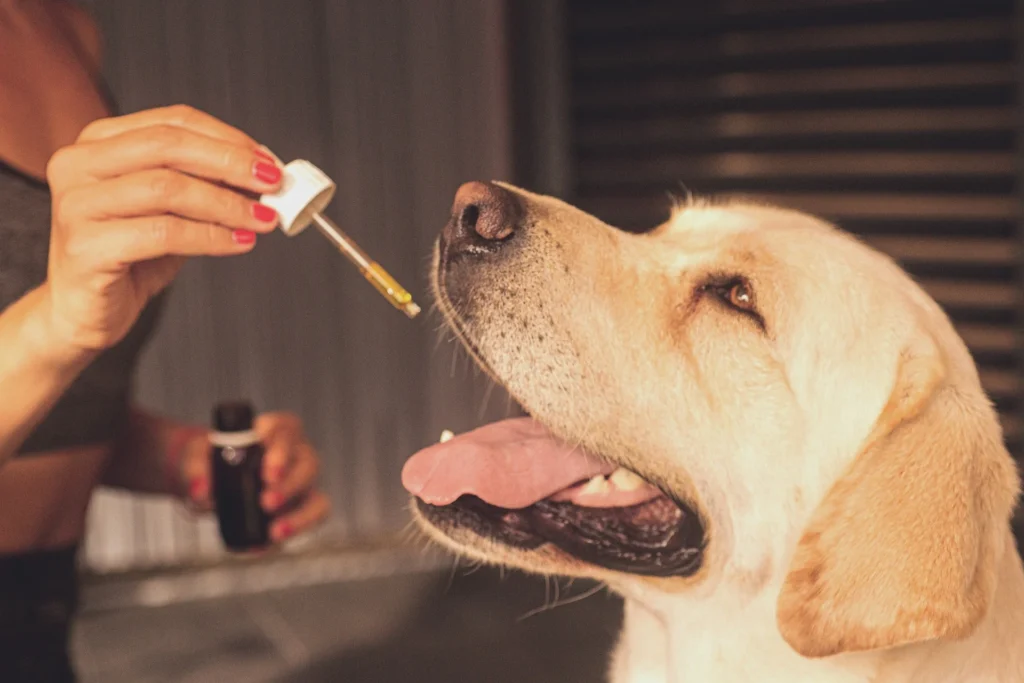
Before diving into nutrition, it’s important to understand how CBD actually works inside your pet’s body. Both humans and animals have an internal network called the endocannabinoid system (ECS). This system helps maintain balance (or “homeostasis”) across essential functions like appetite, digestion, sleep, mood, and immune response.
The ECS includes three key components:
- Endocannabinoids – natural compounds produced by the body.
- Receptors (CB1 and CB2) – found throughout the brain, organs, and immune cells.
- Enzymes – responsible for creating and breaking down cannabinoids.
When your pet consumes CBD, it interacts with these receptors, supporting their body’s natural regulatory systems. This gentle, plant-based support can influence everything from hunger levels to energy metabolism—making it a subtle yet powerful nutritional ally.
How CBD Supports a Healthy Appetite
Just like humans, pets can experience changes in appetite due to stress, illness, or age. Cats and dogs with anxiety or digestive issues may eat less, which can quickly lead to nutrient deficiencies.
CBD may help by:
- Calming stress and anxiety, which can restore normal eating patterns.
- Supporting digestive comfort, reducing nausea or stomach upset.
- Encouraging appetite stimulation, particularly in senior pets or those recovering from illness.
For instance, a dog who’s anxious during storms might refuse to eat. A small dose of CBD before mealtime could help them relax, making it easier to maintain a healthy feeding schedule and nutritional balance.
CBD and Digestive Health: The Gut Connection
A healthy gut is the foundation of good nutrition—and CBD may play a role in keeping your pet’s digestive system balanced.
Studies suggest that CBD interacts with cannabinoid receptors in the gastrointestinal tract, which helps:
- Regulate bowel movements, supporting smoother digestion.
- Reduce inflammation that may cause discomfort or food sensitivity.
- Support a healthy microbiome, allowing for better nutrient absorption.
For pets with irritable bowel issues or sensitive stomachs, incorporating CBD oil into meals can promote digestive comfort, helping them extract more nutrition from their food.
Balancing Metabolism and Weight Management
One of the lesser-known benefits of CBD is its influence on metabolic health. The ECS plays a direct role in energy balance and fat storage, meaning cannabinoids can help your pet maintain a healthy weight.
Here’s how CBD may help regulate metabolism:
- Promotes balanced energy levels, preventing sluggishness or hyperactivity.
- Supports proper fat metabolism, helping overweight pets manage body fat.
- Encourages better glucose regulation, reducing the risk of weight-related conditions.
This doesn’t mean CBD is a “weight loss supplement” for pets, but rather, it may help their bodies naturally find balance—especially when combined with a well-portioned diet and regular exercise.
CBD’s Role in Reducing Inflammation and Oxidative Stress
Inflammation can silently interfere with your pet’s ability to absorb and utilize nutrients effectively. Chronic inflammation, often linked to poor diet or age-related issues, can disrupt digestive efficiency and overall wellness.
CBD’s anti-inflammatory and antioxidant properties can:
- Reduce internal inflammation, improving nutrient uptake.
- Protect cells from oxidative stress, promoting long-term vitality.
- Support joint and muscle health, allowing pets to stay active and maintain healthy weight levels.
By promoting internal balance, CBD ensures your pet’s body can make the most of every meal—absorbing vitamins, minerals, and proteins efficiently.
Enhancing Nutrient Absorption with CBD
CBD oil is naturally rich in healthy fats, especially when infused with carrier oils like hemp seed or MCT oil. These fats help transport fat-soluble vitamins (A, D, E, and K) throughout your pet’s body, boosting absorption and effectiveness.
In other words, adding CBD to your pet’s diet doesn’t just provide cannabinoids—it enhances the way their body utilizes nutrients already present in their food.
For example:
- Hemp-derived CBD oils often contain omega-3 and omega-6 fatty acids, which are essential for skin, coat, and heart health.
- These fatty acids work synergistically with CBD’s anti-inflammatory effects, making it a great supplement for pets prone to dry skin or allergies.
CBD and Immune Support
Nutrition and immunity go hand in hand. A well-fed, well-nourished pet has a stronger defense system—and CBD may give that system a gentle boost.
Through its action on the ECS and immune cells, CBD can:
- Regulate immune responses, preventing overreactions like allergies or chronic inflammation.
- Support recovery, helping pets bounce back from illness or fatigue.
- Promote calmness, which indirectly strengthens immune function by lowering stress hormones.
When paired with a nutrient-dense diet full of antioxidants, lean proteins, and quality fats, CBD becomes part of a holistic immune support strategy.
Choosing the Right CBD Product for Nutritional Benefits
Not all CBD products are created equal, especially when it comes to your pet’s nutrition. Here’s what to look for:
- Full-Spectrum or Broad-Spectrum CBD:
These contain multiple cannabinoids and terpenes that work synergistically to enhance health benefits. - Organic Ingredients:
Avoid artificial flavors or preservatives that can disrupt digestion. - Pet-Safe Formulations:
Human CBD products may contain ingredients (like xylitol or essential oils) that are toxic to animals. - Carrier Oils with Nutritional Value:
Look for hemp seed oil or MCT oil, both of which provide beneficial fats that complement your pet’s diet. - Lab-Tested Purity:
Always ensure the product is third-party tested for potency and free from pesticides or heavy metals.
How to Incorporate CBD into Your Pet’s Diet
Integrating CBD into your pet’s meals doesn’t have to be complicated. Here are a few easy approaches:
- Mix it with their food: Add a few drops of CBD oil to wet food or sprinkle over dry kibble.
- Try CBD-infused treats: Ideal for picky eaters or on-the-go dosing.
- Use it consistently: Regular, moderate use yields better long-term results than occasional dosing.
Always start with a low dose and gradually increase based on your pet’s size, age, and health condition. And, of course, consult your veterinarian before introducing any new supplement—especially if your pet takes other medications.
The Bigger Picture: CBD as Part of Holistic Pet Nutrition
CBD isn’t a magic cure, but rather a valuable part of a holistic nutrition plan. When used alongside:
- Balanced meals made from whole, natural ingredients
- Regular physical activity
- Plenty of hydration and rest
—it helps support the internal balance that keeps your pet healthy, energetic, and happy.
Think of it as a nutritional tune-up for your pet’s body—helping them digest better, absorb more nutrients, and maintain a calm, balanced state that supports longevity.
Final Thoughts
As pet wellness trends evolve, CBD stands out as a natural, science-backed supplement that harmonizes with a healthy diet. From improving digestion to balancing metabolism and enhancing nutrient absorption, cannabinoids can make a meaningful difference in your pet’s overall nutrition and quality of life.
When used thoughtfully—alongside good food and veterinary care—CBD becomes more than just a supplement. It becomes part of a long-term strategy to help your pet thrive from the inside out.